
7 Things to Teach Your New Cat: A Mini Cat Training Guide
Recently a friend had a black cat slip through his window. She was hungry with frostbitten ears and determined to make this chance meeting last. While there were no immediate common cat behavior issues to fix in that situation, oftentimes training early can help set an expectation for your cat. No matter how you and your cat started a life together, covering several critical things will help maintain the human-cat bond, prevent cats from being relinquished, and keep your cat healthy, happy, and safe while avoiding cat anxiety.
*Please note that we have included a link to an Amazon product, which is an affiliate link. This means that we may receive a portion of the sale if one is made through the provided link.
1. How to Teach Your Cat to Use the Litter Box
Most cats possess a natural instinct to be tidy and cover their waste, and this is part of why they have been able to move indoors with us. But have you ever wondered how to teach your cat to not pee on things? Every new environment is different and you can set your cat up for success by providing several things to make accidents unlikely. This is where litter box training kicks in.
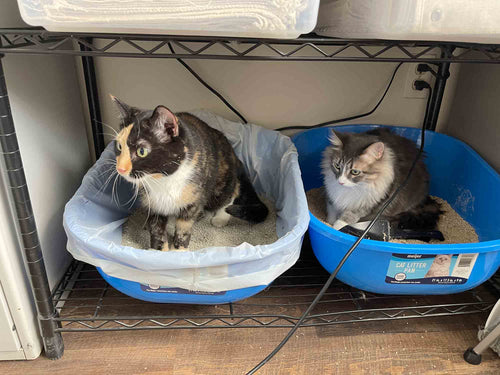
Kitten Litter Box Training Tips:
- Number of boxes: As a rule, cats need one more box than the number of cats in the house, this helps prevent conflict and cats feeling they need to find alternative locations to eliminate
- Location: Place the litter boxes in quiet and easy-to-reach. Lower as cats age and away from places like a noisy laundry room.
- Clean litter box: Keep the box clean and scoop waste once or twice a day, cats may discontinue use with a dirty box
- Substrate and scent: Cats with nail/paw damage may be very sensitive to the litter type, likewise string scented litter mat deter some cats
- Medical: If your cat is having inappropriate elimination consult with a vet, sudden changes can be the result of medical issues like urinary tract infections.
2. Appropriate Scratching Outlets
Scratching is a natural behavior and an important instinct for cats. Cats use scratching for claw health, stretching, and communication. Naturally, it’s frustrating when a new cat starts scratching – so knowing how to teach your cat to not scratch your furniture early on is essential. Start your new cat off with a good habit of scratching in desired locations like cat-designed furniture with scratch posts.
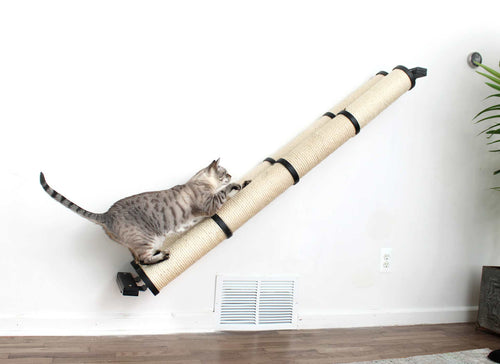
Cat Scratching Tips:
- Provide choice: Studies show that cats prefer materials like sisal, cardboard, and wood, with a lesser preference for carpets. Use horizontal, angled, and horizontal posts.
- Location: Cats want to scratch in places like social pathways in the house, doorways, and after they wake up. Place multiple posts in the home and one on every level of the house
- Reward: Play with your cat near the posts, gently pet or give treats after they do use the desired scratching location.
- Prevent: If you have something your cat seems drawn to use like a couch near the front door, temporarily block its use by removing it, placing a better option in front, or covering it with a furniture cover while you train an appropriate outlet.
3. Positive Socializing and Handling
Whether you are introducing an adopted kitten to your home for the first time or introducing a new cat to a multi-cat household, early socialization matters. Young kittens have a socialization window from early in life after 2 weeks and extending to 14 weeks with the most sensitive time for positive exposure around 4-7 weeks. Learning what is normal and safe through positive exposure is important to kittens in this window; however adult cats should continue to have positive experiences too.
If you have adopted an adult cat you can still gently provide good experiences with calm people using treats and training to increase their comfort. Keep training at their own pace. Feeling safe and in control is important to creating good socialization opportunities.

Cat and Kitten Handling Tips:
- Handling is good: gently lift and give treats or play, help lift them to safe higher places they may want to reach, avoid physically moving them to carriers or places they are afraid or holding them closer to things they are fearful of
- Holding and petting: a healthy relationship involves your cat feeling the freedom to choose when to be held or pet. As cute as they are refrain from froncing hugs and petting, they will become much more affectionate when given the opportunity to choose the level of contact
- Alternative ways to move: In order to move your cat without forcing holding, begin feeding treats in an open cat carrier or cat backpack. Training now without the instant trip to the vet will pay off in the future and can keep your cat safe when traveling.
4. Feeding Routines
While some cats struggle to lose weight, others have trouble eating enough. Start a good predictable routine around food to prevent food-related issues like waking you up at 3 am for breakfast. Some cats come from a background where food was truly unreliable and making a predictable pattern will help alleviate food anxiety and food seeking/ vocalization.
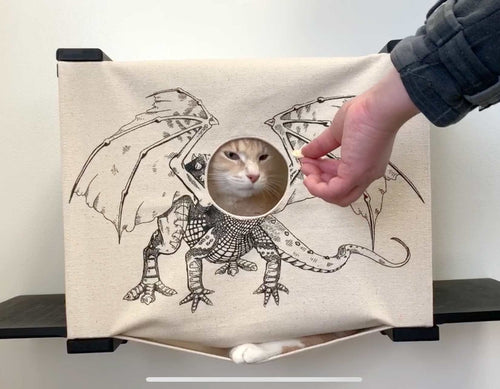
Cat Feeding Tips:
- Scheduled meals can help build anticipation, motivation to use interactive food puzzles and create better food habits/ prevent obesity from overeating
- Location and Time: Feed your cat in a calm, safe location away from high traffic and other animals. Keep the feeding time regular and if you will be out of the home, considering using timed feeders that can even keep wet foods cold until the timer goes off.
Avoid feeding your cat for vocalizing or waking you up, each time this works for your cat they would derelict in their duty as a cat if they didn't repeat that behavior in the future. Instead, consider if they are perhaps bored or need more interactive feeding styles like food puzzles to prolong the feeding behaviors.